
At a glance
- Solution
- PATS-C + Trap-Eye™
- Crop
- Research
- Location
- Netherlands
From moth activity to the right scouting moment
One of the clearest examples came from Tomato looper. PATS-C monitors the activity of adult moths, which lay the eggs that develop into the next generation of caterpillars. Using this activity together with environmental factors such as temperature, the prediction model indicates when young caterpillars are expected to appear. This gives the cultivation team a more targeted moment to check the crop.
During the trial, Luca could already see Tomato looper activity in the PATS data before it had been noticed during regular work in the greenhouse.
The first caterpillar prediction was visible in the dashboard, but because the team was still getting used to working with the new system, it was missed in their normal routine. About a week later, the cultivation specialist found larger caterpillars and carried out an intervention. At that point, it became clear that the ideal moment to target the caterpillars while they were still small had already passed. With the next prediction, Luca and the cultivation specialist used the information differently. They carried out a focused scouting round on the predicted day, found the expected young caterpillars and could intervene while they were still small.
“You can’t search for small caterpillars every day. But if you’re told, ‘go and check on this day,’ that becomes much more manageable.”
HortiTech
This was also where Luca saw particular value in PATS-C. Moth activity can be easy to miss when only a few individuals are present, while the system was already showing activity at those low levels.
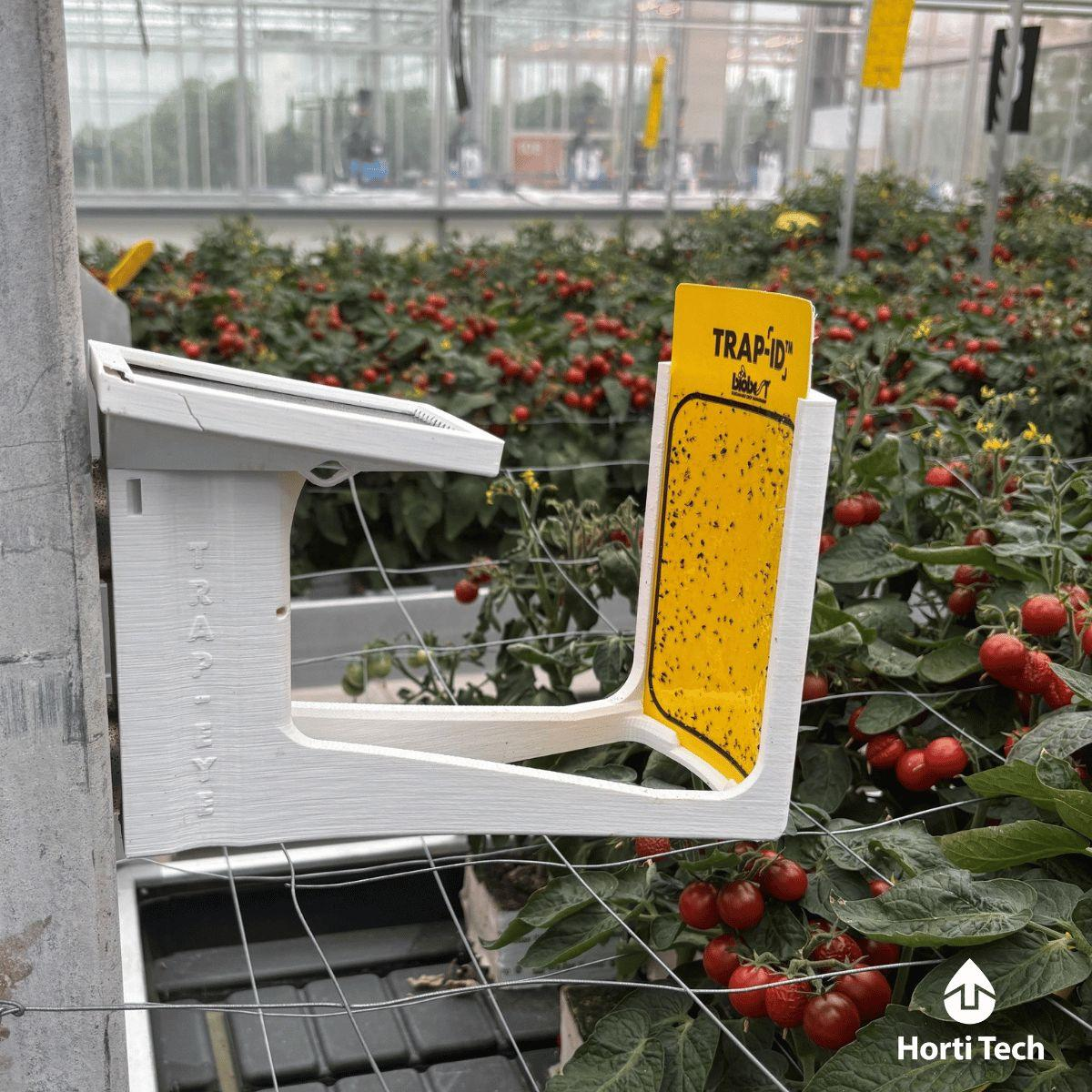
“You hardly see the moths until suddenly there are many. With PATS-C, I had already seen them much earlier.”
HortiTech
For HortiTech, the trial showed how automated monitoring can support experienced crop scouting rather than replace it: first by detecting activity, and then by helping the team decide when to look more closely.
Trap-Eye™: less time counting, more usable data
Trap-Eye™ played a different role during the trial. HortiTech works with relatively small research compartments and an experienced team, so the crop itself can still be inspected frequently. Manual scouting also continued alongside Trap-Eye™ while the team compared the technology with their existing way of working.
The main benefit was therefore not replacing crop scouting, but reducing the need to manually count sticky cards and making pest data easier to use. Trap-Eye™ helped reduce the time spent manually counting sticky cards, while the technology was still being used alongside HortiTech’s existing scouting routine.
The system also became useful within a separate HortiTech experiment testing a biological control approach against whitefly. Trap-Eye™ provided pest counts that helped quantify how whitefly pressure developed throughout the experiment.
For HortiTech, this is particularly useful in a research environment: less time spent counting sticky cards manually, more time available for crop scouting, and consistent data that can support the evaluation of other trials.
Practical when trials keep changing
Ease of use was another part of HortiTech’s experience with the systems. Because research equipment regularly has to move between compartments, Luca repeatedly relocated both PATS-C and Trap-Eye™ during the testing period.
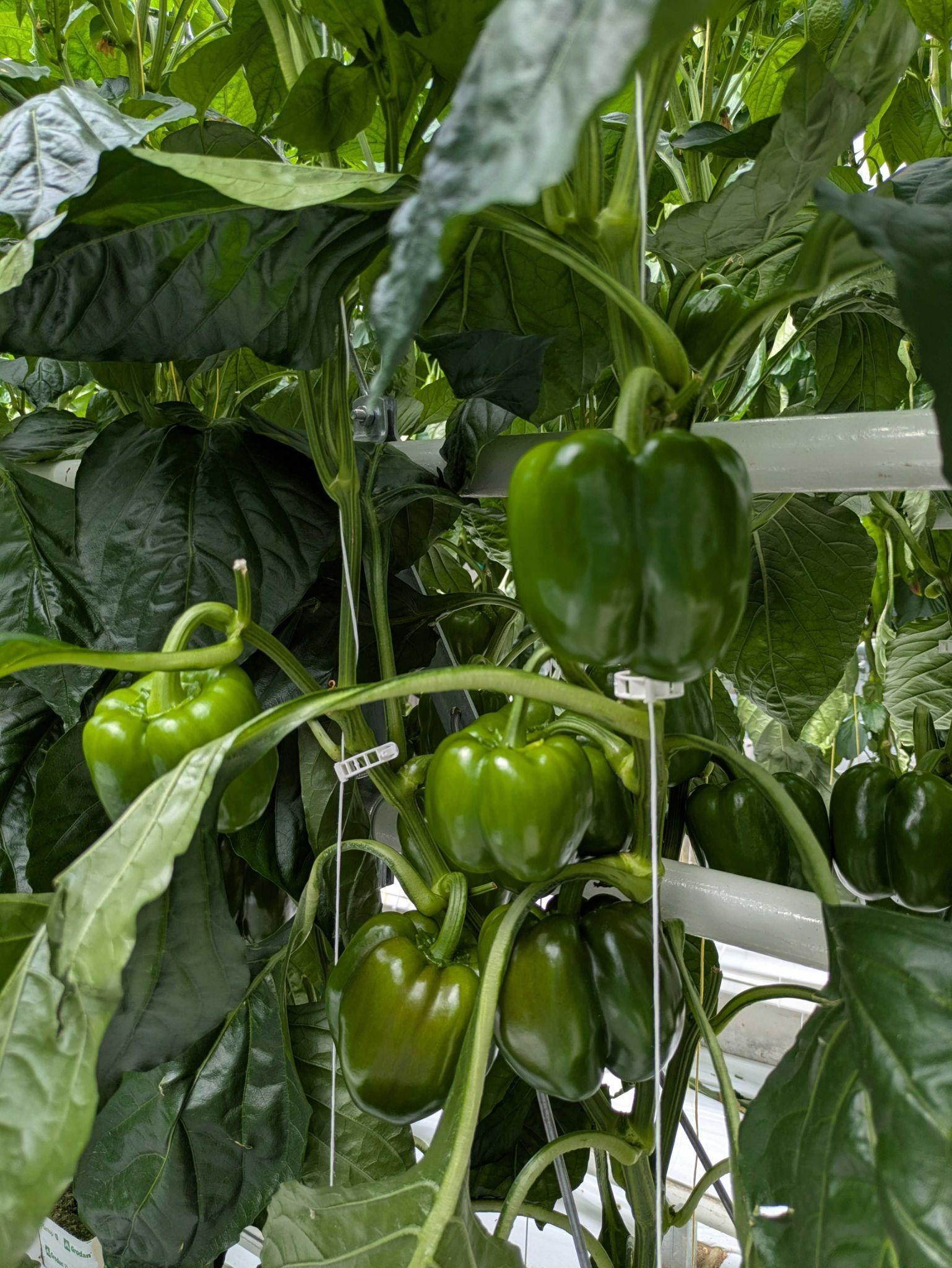
The standalone setup made this straightforward. The units could be moved to a new compartment and put back into use without a complicated installation process.
“It is nice that you can simply hang the system up and it works.”
HortiTech
For HortiTech, testing PATS showed several different ways automated monitoring can support greenhouse research: detecting moth activity earlier, guiding targeted crop checks, reducing manual sticky-card counting and providing quantitative data for experiments, while still keeping experienced growers and scouts at the center of decision-making.

Next: Rijk Zwaan
Consistent monitoring insight for vegetable breeding and seed production.
Read customer story ↗