
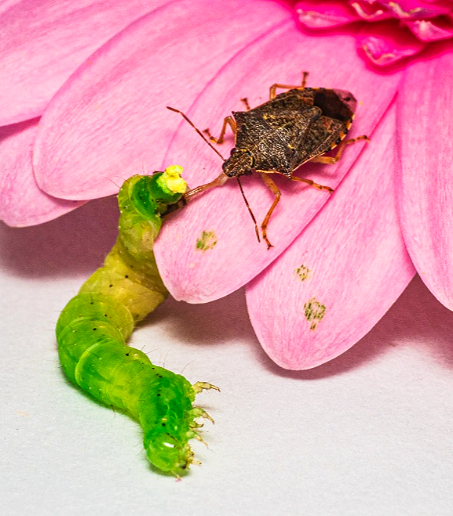
Caterpillars may be small, but their impact on greenhouse crops is anything but. As conventional crop protection products continue to disappear, the need for reliable and effective biological solutions has become more urgent than ever.
The Caterpillar Masterplan (Masterplan Rups) project, launched in 2022, focused on two of the most persistent pests in greenhouse cultivation: the Tomato looper moth (Chrysodeixis chalcites) and the European pepper moth (Duponchelia fovealis). The project set out to find answers to the most pressing questions, combining scientific research, practical innovation, and real-world validation to build a stronger foundation for sustainable integrated pest management (IPM).
While many biological solutions can be effective, when it comes to caterpillar control, most do not work throughout the pest’s life cycle. The tools available today typically only target the younger larval stages, not the larger and more damaging ones. Since these stages follow each other within just a few days, timing is crucial. At the same time, the few remaining conventional crop protection products may be effective but tend to disrupt the biological balance of the system.
New biological breakthroughs
The project introduced and validated several promising biological control agents:
- The predatory bug Podisus maculiventris and parasitic wasp Euplectrus carinifer, both targeting larger caterpillar stages and planned for market release in 2025.
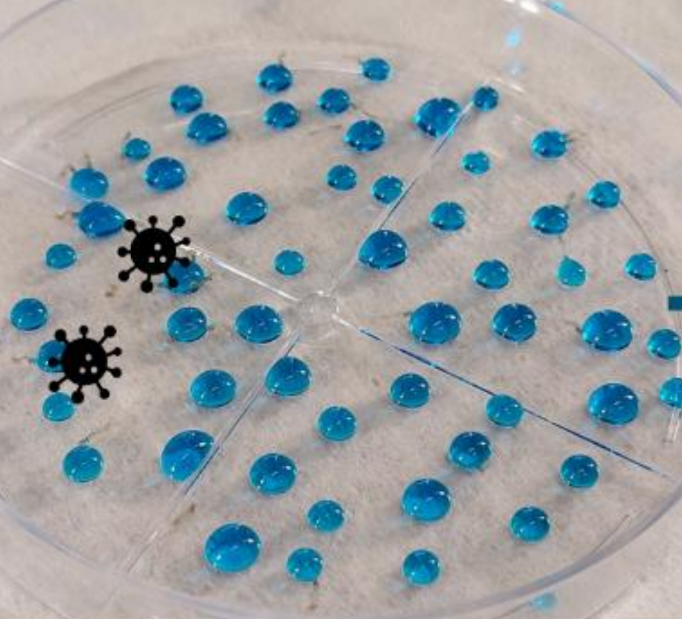
- A Dutch Baculovirus, proven highly effective against the Tomato looper.
- Bt starch granules showing strong laboratory results against young Duponchelia larvae.
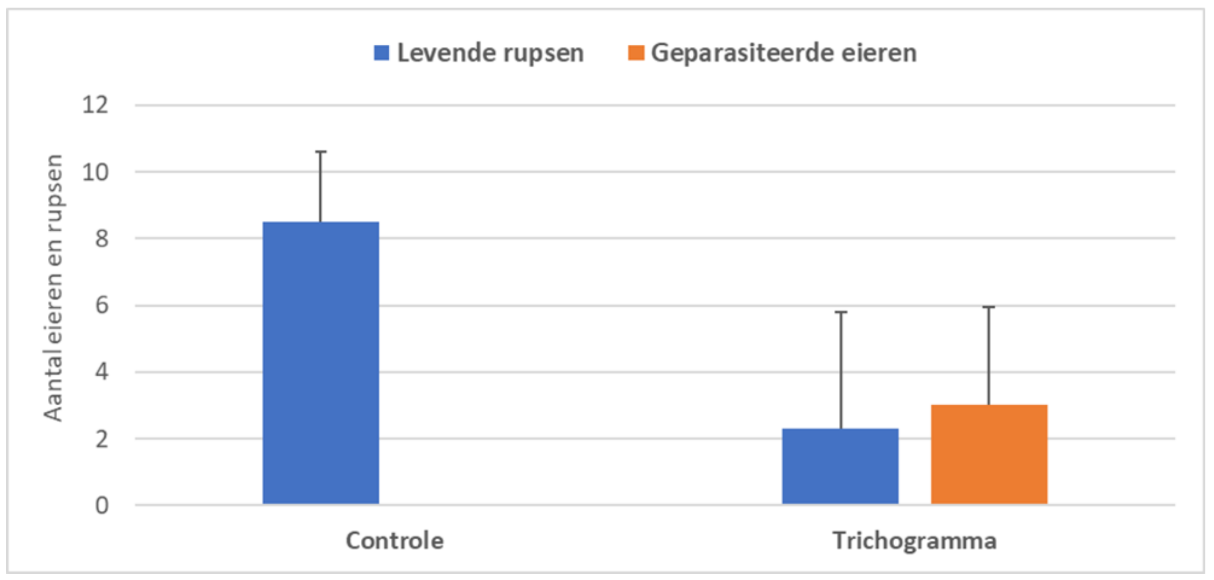
- Trichogramma achaeae a parasitic wasp, is capable of parasitizing European pepper moth eggs
In addition, rearing methods were developed for both Euplectrus carinifer and the Tomato looper, paving the way for large-scale production. Together, these discoveries form a solid basis for a complete biological control strategy.
PATS: turning biology into practice
Where PATS contributed was in translating these biological insights into actionable monitoring and forecasting. Using the PATS-C real-time detection system, growers can now track moth activity and predict when the smallest caterpillars are likely to appear, allowing interventions at the most effective moment. Instead of responding after crop damage, growers can act preventively: introducing natural enemies, applying Bt, or adjusting their pest management strategies before infestations take hold.
During the project, PATS data also revealed significant differences in moth activity between gerbera varieties within the same greenhouse. Some varieties appeared far more attractive to moths than others, a finding that opens up new possibilities for breeders. By identifying traits that attract or deter moths, breeders can work toward developing ornamentals that are naturally less appealing to caterpillars.
By connecting behavioral research from Wageningen University & Research (WUR) with precision monitoring from PATS, the Masterplan Rups project showed how data-driven timing and pattern recognition can unlock the full potential of biological pest control and even inform future crop breeding strategies.
Get greenhouse insights in your inbox.
Enter your email, then confirm your details and newsletter preference on our contact page.
Toward resilient, chemical-free greenhouse systems
The results show a clear path forward: a biological system that is robust, scalable, and compatible with growers’ existing operations. Future work will focus on scaling up production of biological agents, refining feeding strategies for Podisus, testing Bt granules under greenhouse conditions, and continuing to integrate monitoring data into precision control.
With smarter technology and stronger biological foundations, growers can now look ahead to a future of resilient, chemical-free pest management.
A collaborative effort
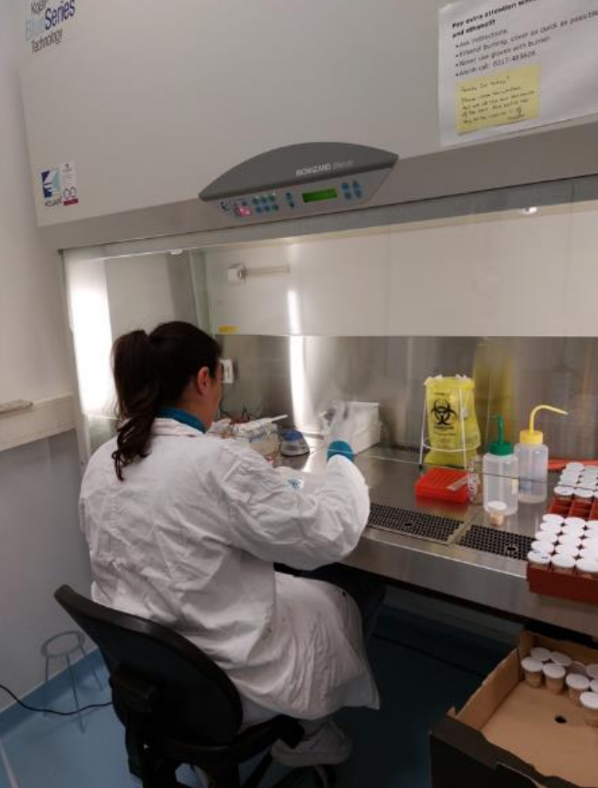
This research was conducted in collaboration with Wageningen University & Research (WUR), Ada Leman, Corien Voorburg, Sophie Le Hesran, and Marjolein Kruidhof, with contributions from PATS in monitoring strategy development and validation.
Read more
For more details about the research findings, methods, and biological results, Read the Full Report